
How is a film born?
Every film goes through the same six stages, and we get your approval at the end of each one. You know from the outset, in writing, what will happen when, how many revision rounds there are and the delivery date.
Six stages
See what we do at each stage, what you do, and what you have at the end.
Getting to know you and the brief
We listen to what you want to tell in a short call or by message. We send you a list of questions specific to the service.
- You
- You answer the questions and share any material you have.
- You receive
- Summary of the brief
Quote
We itemise the length, stages, revision rounds, delivery date, delivery files and price. For personal films, we also state when your data will be deleted.
- You
- You read the quote and approve it.
- You receive
- Written quote (PDF)
Script and storyboard
We write the story scene by scene. For corporate and safety films, we also prepare sketches of every scene.
- You
- You read the script and send your revisions.
- You receive
- Approved script
Character and voice
We draw the characters and give each one a voice of their own. You also approve your child's character for a story, or the brand character for a corporate film.
- You
- You approve the character drawing.
- You receive
- Character sheet
Animation and draft screening
We animate the scenes and add music and effects. We show you the draft; this is the stage for revisions.
- You
- You watch the draft and write your notes.
- You receive
- Draft film
Delivery
We deliver the final files in landscape and vertical. For personal films, we delete the photos and recordings you sent within 30 days.
- You
- You share and watch your film.
- You receive
- Film files
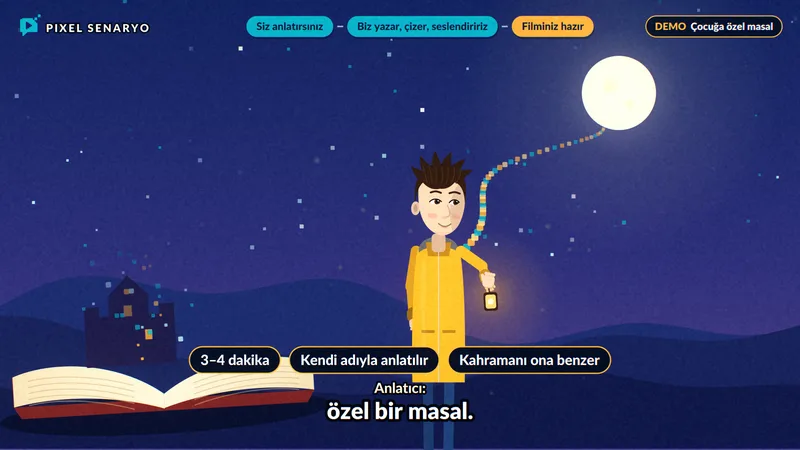
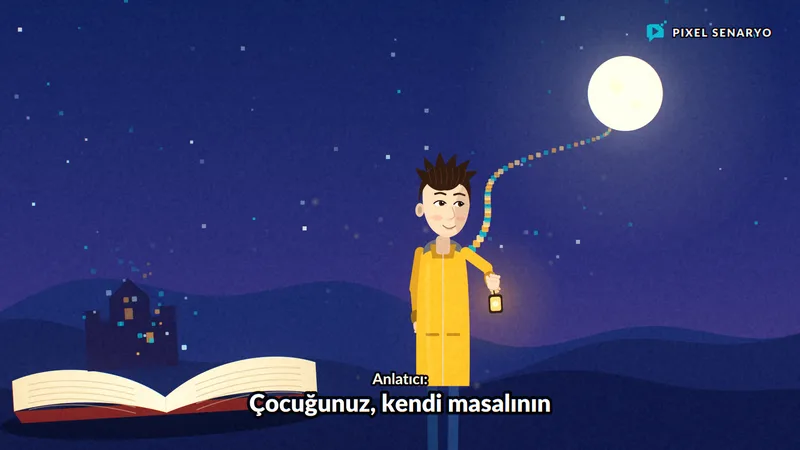
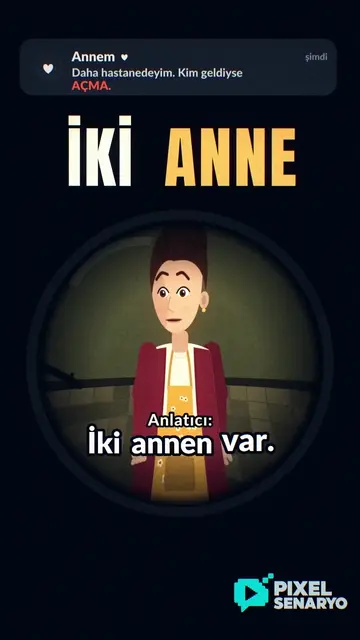
The anatomy of a character
We produce our films on a 2D animation engine we developed ourselves. The moment a character appears on screen, the engine adds these layers:
- Eyes: blink at natural intervals and look at the speaker or an object.
- Mouth: opens and closes syllable by syllable from the character's own voice recording.
- Hair and fabric: follow the movement one step behind, with some spring.
- Breath: the shoulders and chest rise and fall in a calm rhythm.
- Gesture: while talking, the arms tell the story with the energy of the voice.
- Voice: narrator, child, grandfather, worker: every character speaks in a separate voice.
The camera is alive too: handheld shake, slow push-ins, film grain and light to suit the scene. Characters are designed once and stay exactly the same across episodes.
From script to screen
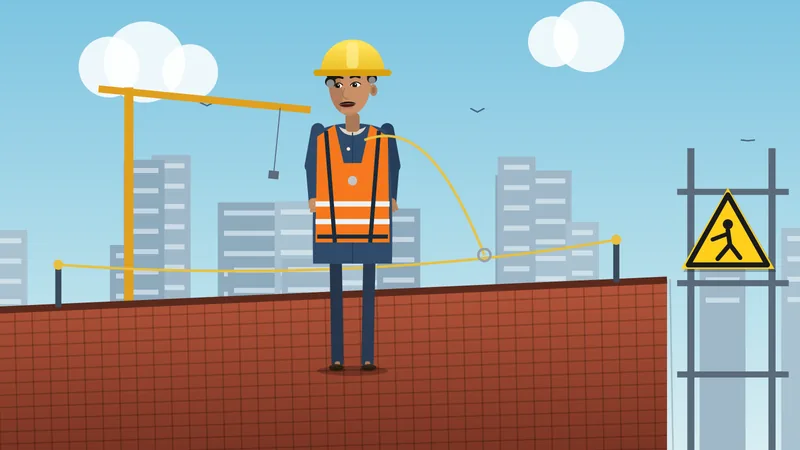
The scene list of a safety film and the animation of the same scene. Every line we write corresponds to a movement on screen.
- 0–10 sec
The roofer is at work; his harness is on, but the lanyard is not clipped to the lifeline. "It's a two-minute job," he says.
- 10–25 sec
A tile slips, the screen goes dark; only sound is heard.
- 25–40 sec
The picture rewinds. The roofer clips the lanyard on, and his colleague checks it.
- 40–75 sec
The tile slips again, and this time the lanyard holds. Closing: "A harness only protects if it is clipped on, not just worn."
What we need from you
You do not need all of it to start; we fill in the gaps together.
PIXEL SENARYOSCENE 1
Personalised story for a child
From you
- The child's name, age and favourite things
- 2–3 photos
- A grandparent's voice recording, if you have one
For your approval
- Story summary
- Character drawing
- Draft film
PIXEL SENARYOSCENE 2
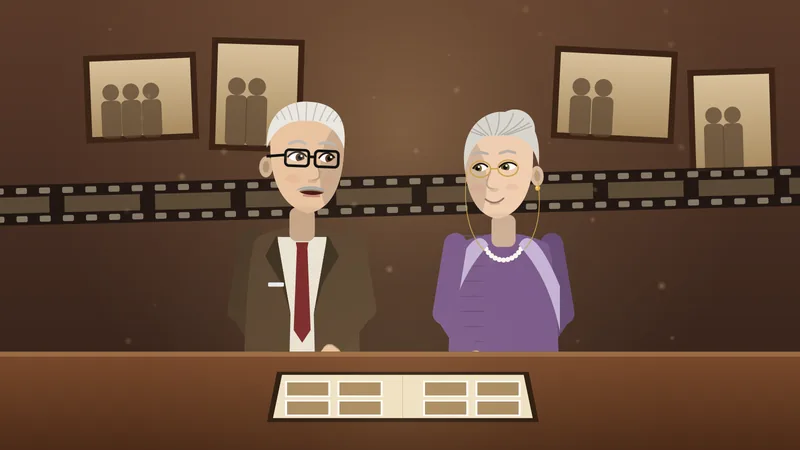
Family documentary
From you
- Photos and documents
- Sound and video recordings
- Interview recording
For your approval
- Story map
- Narrator's text
- Draft film
PIXEL SENARYOSCENE 3
Safety training film
From you
- Site photos
- Risk priorities
- Near-miss examples, if any
- PPE and logo details
For your approval
- Script and storyboard (with your safety specialist)
- Draft film
PIXEL SENARYOSCENE 4
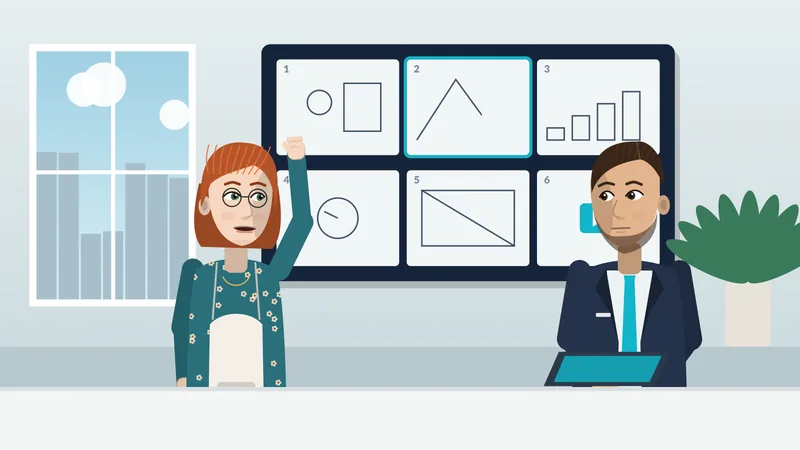
Corporate animation
From you
- Brief
- Brand guidelines
- Existing texts and screenshots, if any
For your approval
- Script
- Storyboard
- Style frame
- Draft film
PIXEL SENARYOSCENE 5
Advertising film
From you
- The product or campaign to announce
- Logo
- Product and venue photos, if any
For your approval
- Hook idea and script
- Draft film
PIXEL SENARYOSCENE 6
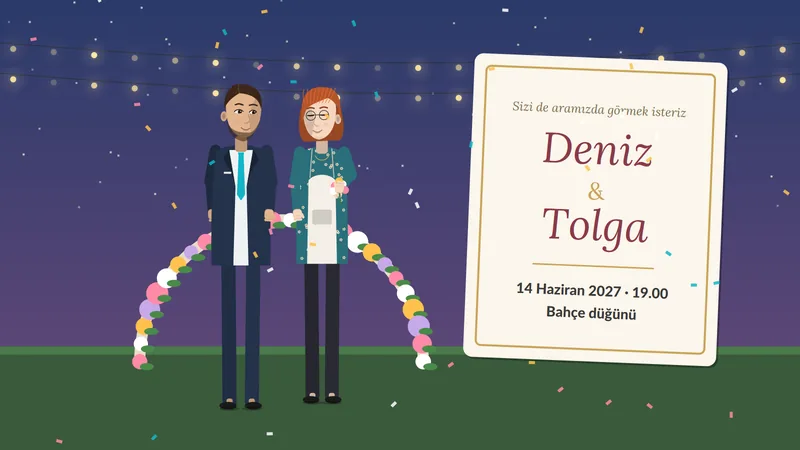
Invitation and celebration film
From you
- Names
- Date, time, venue
- Photos and your short story, if you wish
For your approval
- Character drawing
- Text
- Draft film
Delivery files
Tell us where the film will play, and we will prepare it accordingly.
How do revisions work?
We gather revisions at the two points where they are cheapest and quickest: the script and the draft screening. Changing a sentence in the script takes minutes; re-animating a finished scene takes days.
The number of revision rounds is written in every quote. Changes after delivery are priced separately.

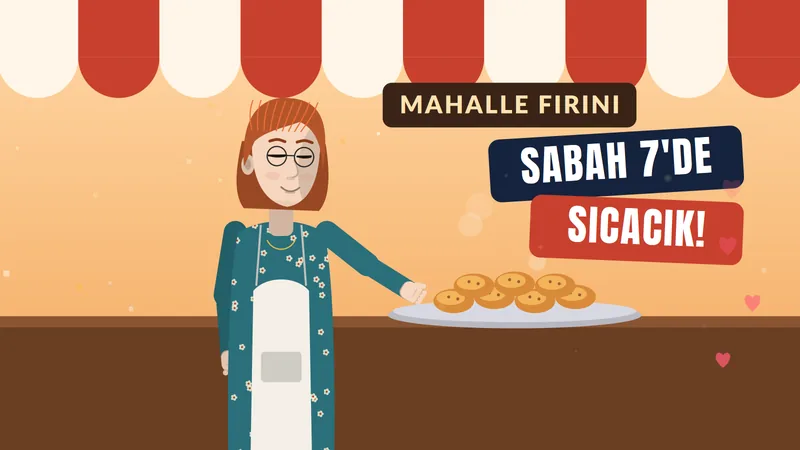
Let's talk about your film
Fill in the form; the questions open according to the service you choose. If your idea is not on the list, you can tell us about it too.